
Building Material Deep Dive: Timber
Timber in Depth: Understanding Its Role in Eco-Friendly Design and Architectural Innovation

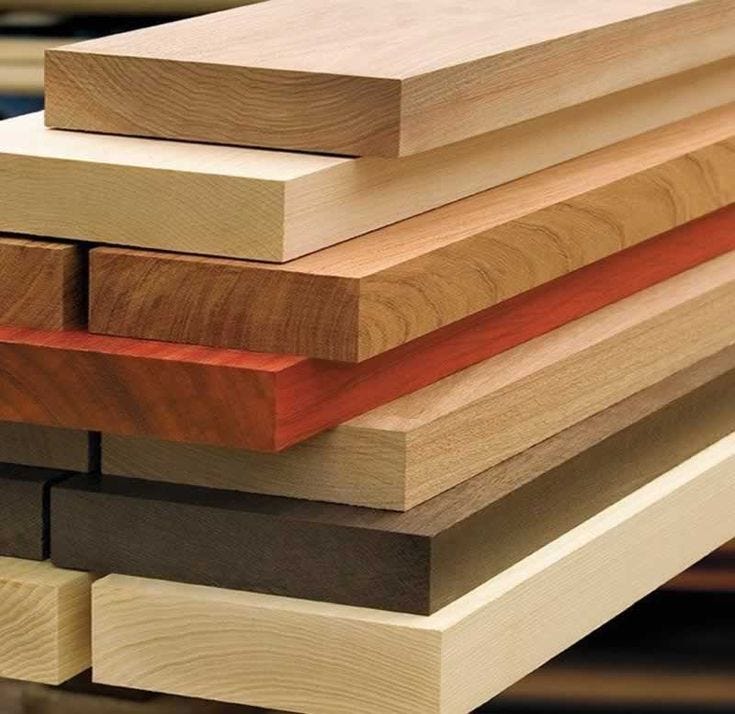
Timber, also known as lumber, is referred to as unprocessed wood in most parts of the world like Canada and the United States. Timber, lumber, and wood all mean the same thing as they undergo the same felling process into uniform and useful sizes including boards, beams, and planks.
Timber refers specifically to unprocessed woods, and fiber such as cut logs or standing trees that have yet to be cut. Wood is an organic, hygroscopic, and anisotropic material. Its thermal, acoustic, aesthetic, working, mechanical, and electric properties make it suitable for construction.
Wood/Timber/Lumber has been a common and historical choice as a building material, it’s highly machinable and can be fabricated into all kinds of shapes, cuts, and sizes to fit (practically) any construction need.
One of the biggest advantages of using wood as a building material is that it’s a natural resource which makes it readily available and feasible.
Role & Importance of Timber
Time and time again – coupled with the telling times of climate change, wood/timber/lumber has proven aesthetic, and unparalleled environmental and construction benefits.
There’s been a rise of people spending the majority of their time indoors, there’s been an appreciation and interest in the choice of materials being inhabited and lots of home/resident occupants have been paying close attention to the material used.
Lots of studies and research have been done but this particular study revealed that the presence of wood surfaces in a room can lower Sympathetic Nervous System (SNS) activation.
Early Use of Timber in Design & Construction
The early use of timber can be referred back to the Stone Age, as it was one of the earliest building materials endorsed by man. Ancient cultures like the Greeks, Romans, and Egyptians also inculcated timber for various purposes, including larger buildings and homes.
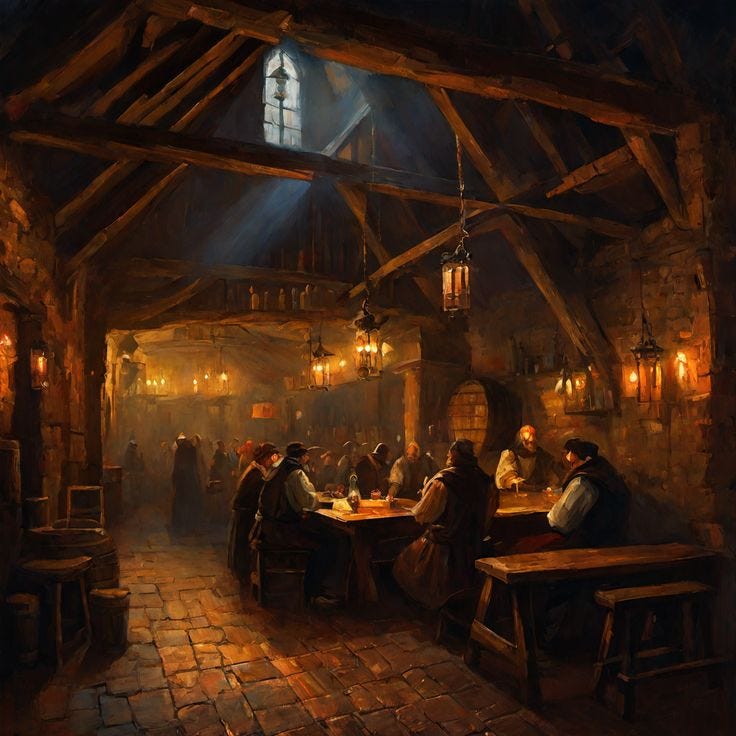
The Medieval times also saw the prevalent use of timber because of its adaptability and use in intricate designs. Structures and edifices like Japanese pagodas, Chinese temples, and European Cathedrals are huge testimonies of the craftsmanship and engineering knowledge of the time. Timber has shaped the way humans have lived.
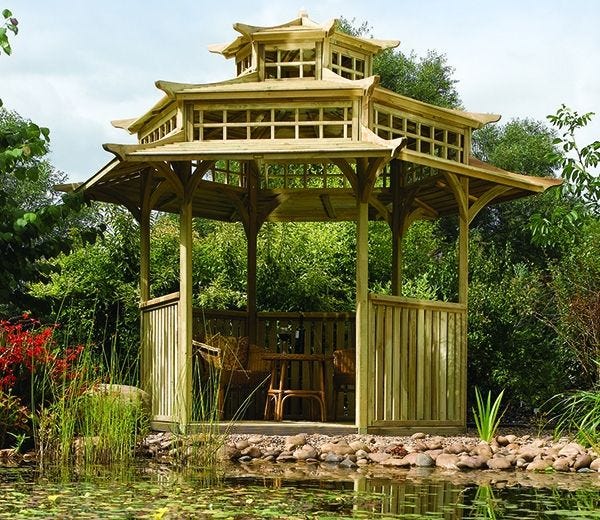
How Timber Usage Has Experienced Evolution
Timber, is one of the longest (standing) building materials in existence, in present times, countries like the UK have become one of the largest timber consumers and panel products in the world.
Timber, today is arguably one of the most important resources on the planet and it’s being used today in furniture building, homes, and new ways of living. The timber revolution isn’t just tied to one or two regions, it has become a global movement as massive mass timber structures are being built all over the world.
There has been a rise of seasoned designers who are aware of the need to reduce carbon emissions and they make it their mission to have a strong commitment to build more sustainably with wood. Away from traditional wood and timber, there has also been the rise of engineered wood that is created by bonding wood fibers, particles, or veneers to form a durable and strong material while minimizing waste and utilizing sustainable sources.
The evolution of scarce and precious resources like timber brings both opportunities and challenges. In the opportunity/demand stance, there is the rise of the need for wood/timber which is fueled by the expanding bioenergy and sustainability sector, a shift towards eco-friendly and green construction materials, and other demands from developing countries.
In the case of challenges/supply stance, regions like North America, Europe, and Australia increasingly advocate for native trees and forest preservation, which supplies a significant portion of the world’s fiber.
The Global Wood or Timber market is said to rise between 2024 and 2032. As of 2022, the Global Wood or Timber market size was valued at $6702.43 million and it’s expected to expand at a CAGR (Compound Annual Growth Rate) of 3.34% during the forecast period, reaching $8164.88 million by 2028.
There has also been a rise of key industry players and companies in the Timber/Wood market. Some examples include:
1. Setra Group
3. Sodra
5. Vida Timber
9. Universal Forest Products
10. Masco
11. Klabin
12. Louisiana-Pacific Corporation
13. Holmen AB
15. Tolko Industries
16. Asala Wood
It’s been established that timber is a recognized building material that’s not only used for aesthetics but also for its eco-friendly properties.
Timber can be categorized as not all kinds of timber that can be used for the different needs out there in demand. Timber can be in the following categories:
1. Hardwood
Found in tropical and temperate regions, hardwood trees grow more complex and slowly than their counterparts and can take up to 150 years before it’s ready to be harvested. This makes the timber obtained from them heavy, hard-bearing, and dense.
Examples:
a. Meranti (also known as Philippine Mahogany)
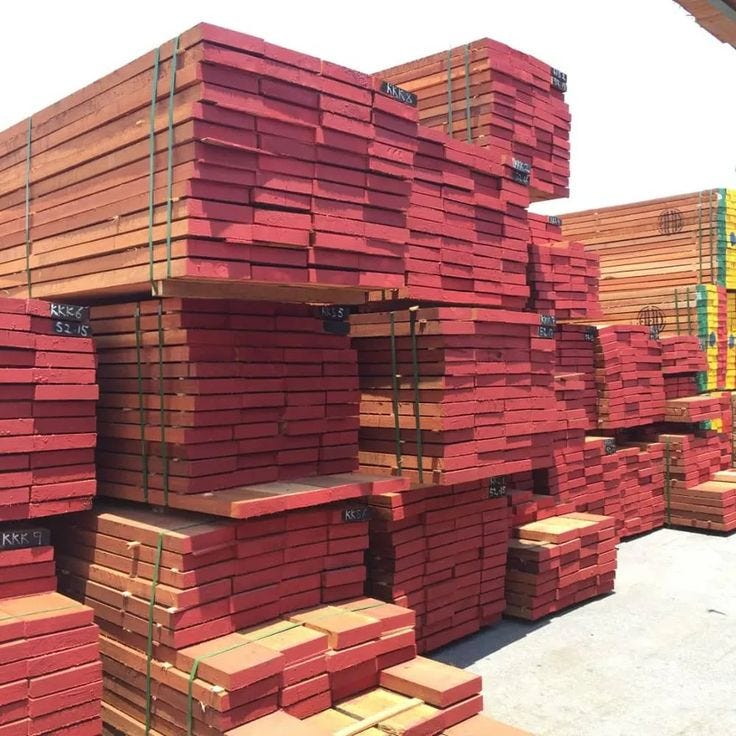
b. European Oak
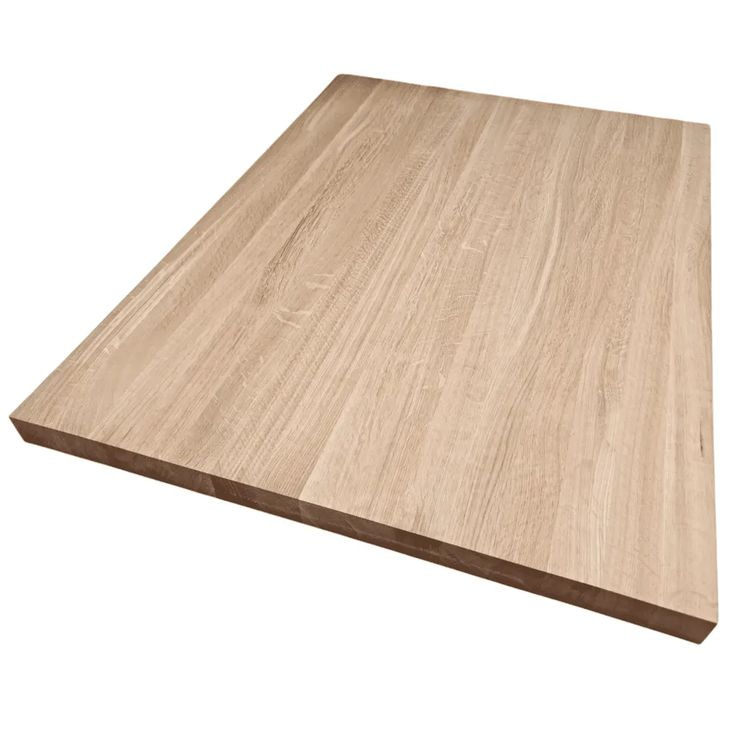
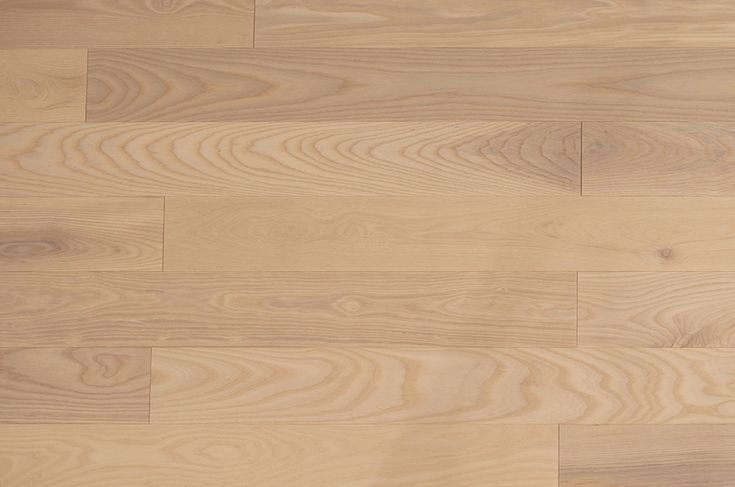
c. Ash
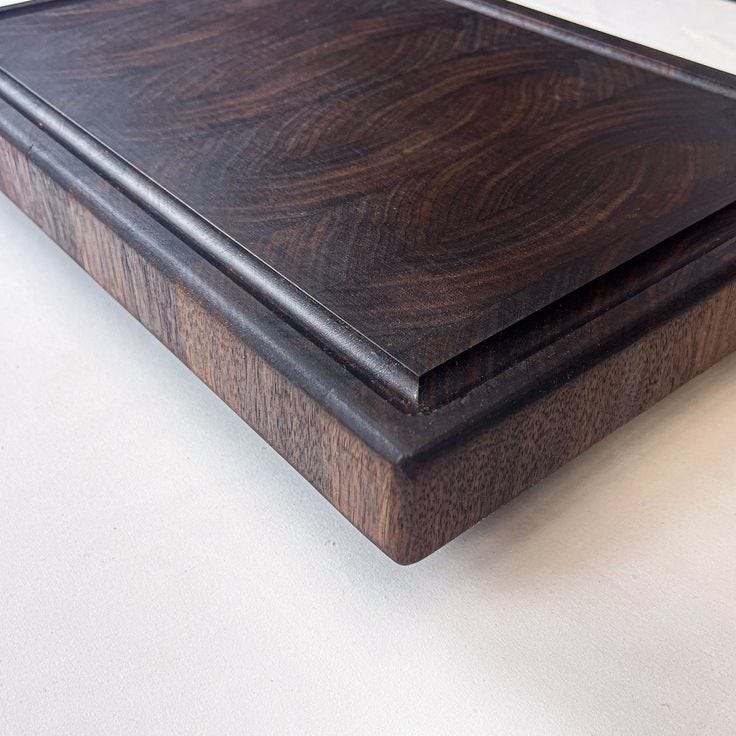
d. Black Walnut
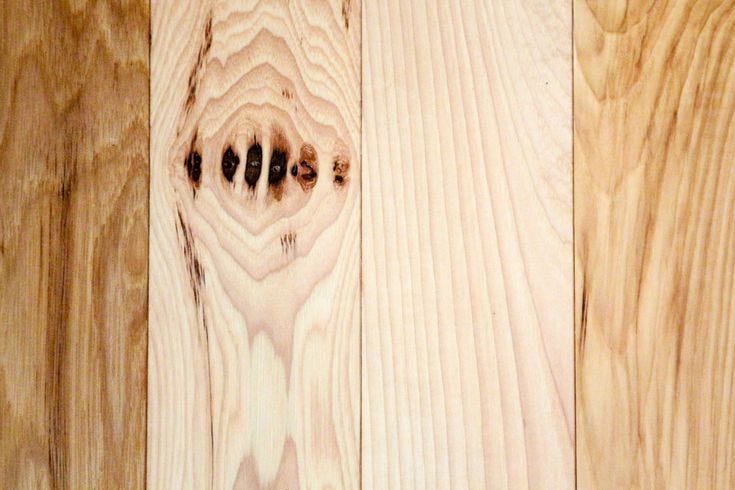
e. Hickory
f. Teak
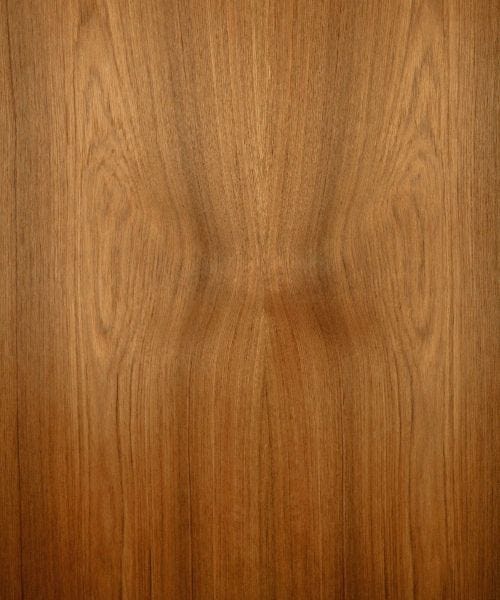
g. Wenge
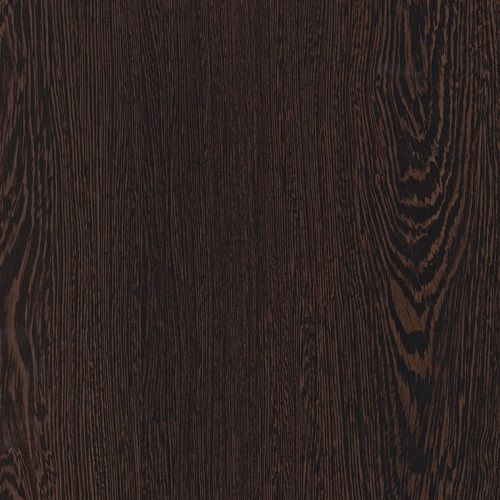
h. Poplar
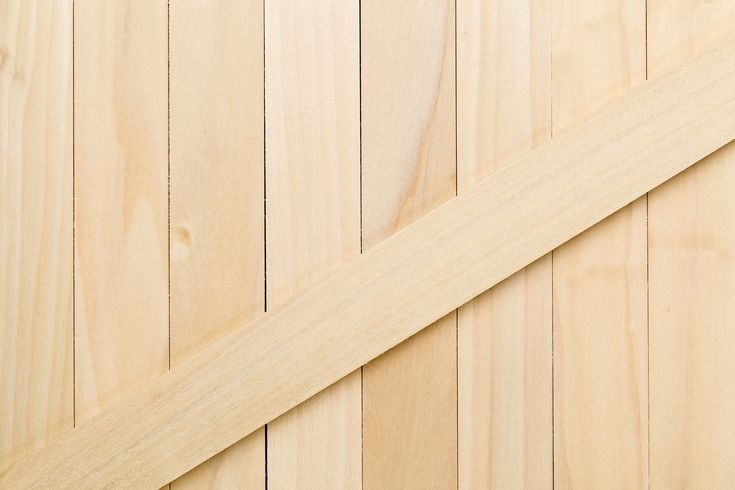
i. Sapele
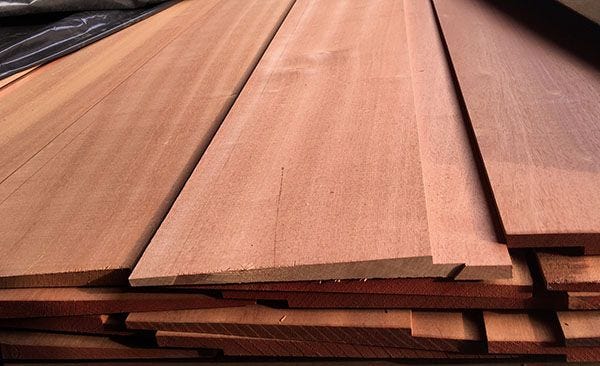
j. Maple
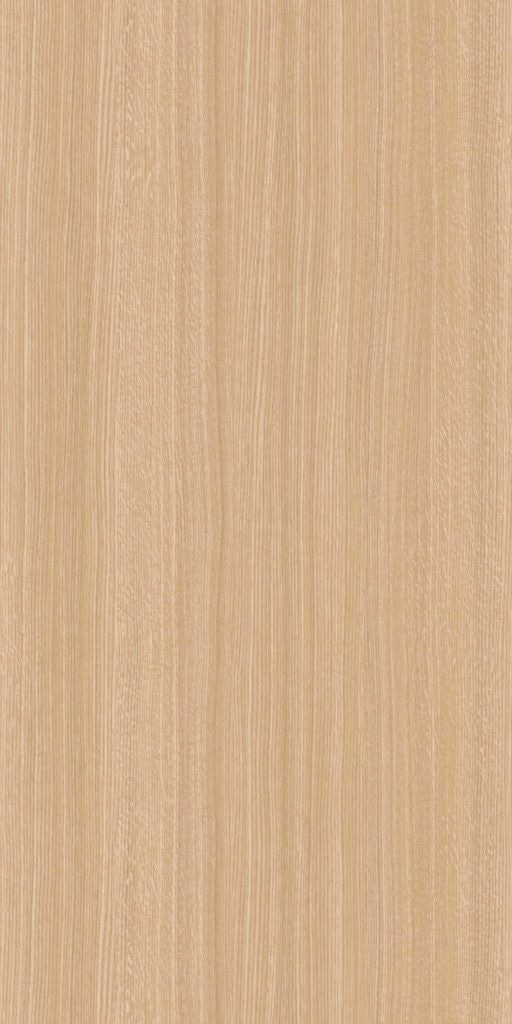
k. Balsa
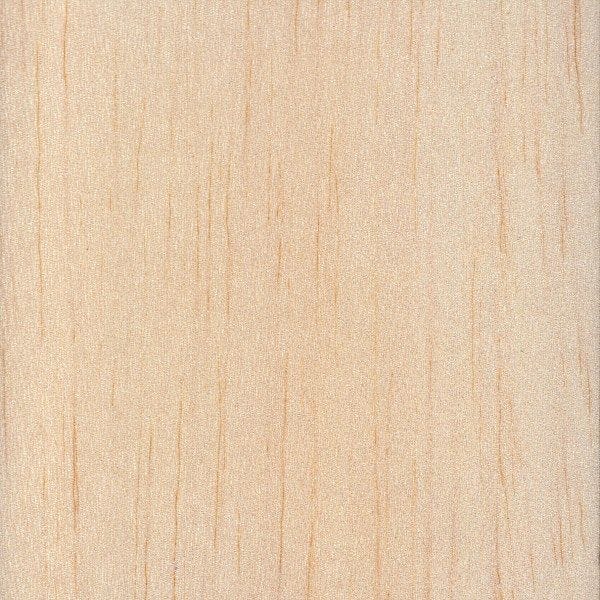
2. Softwood
They grow faster than hardwoods, usually taking around 40 years before being ready to harvest, which makes them less dense than hardwoods.
Examples:
a. Larch
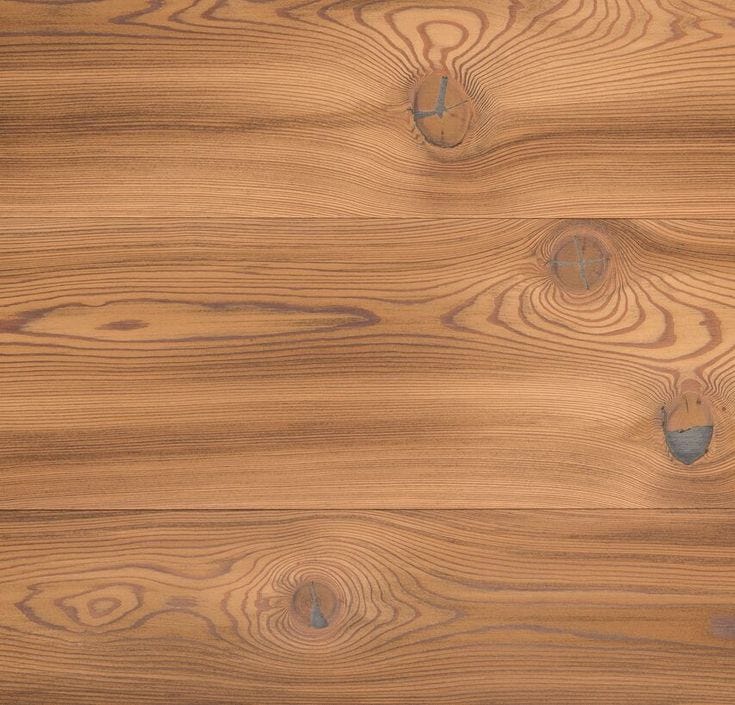
b. Spruce
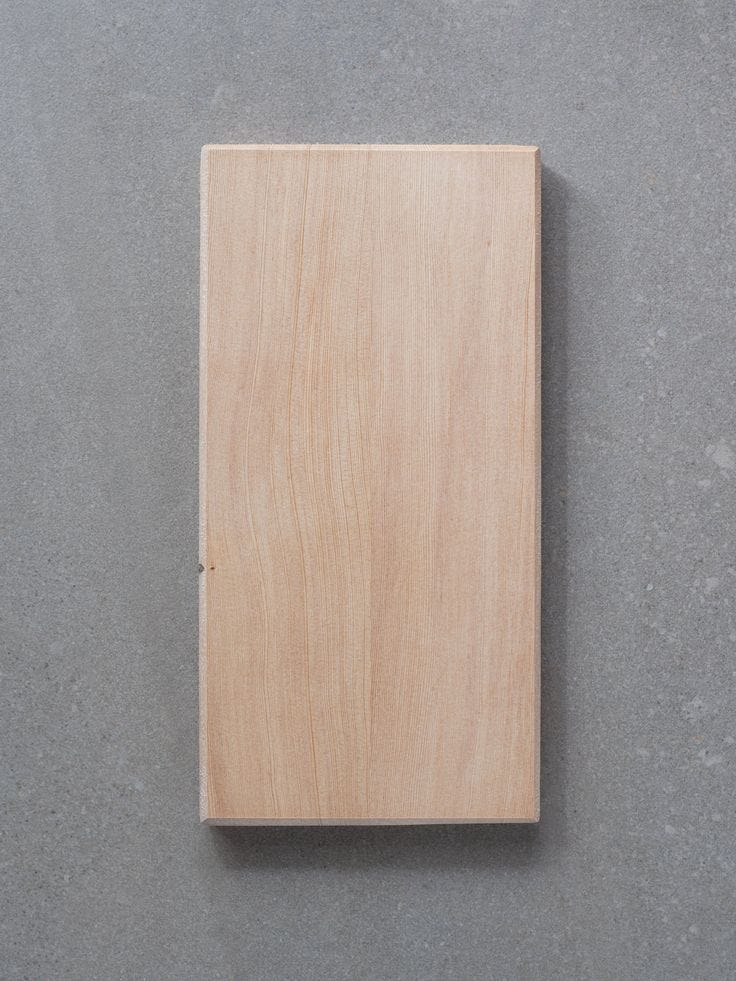
c. European Redwood
d. Yew
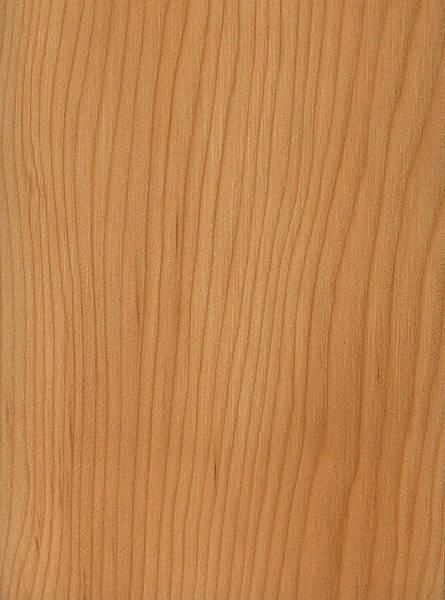
e. Pine
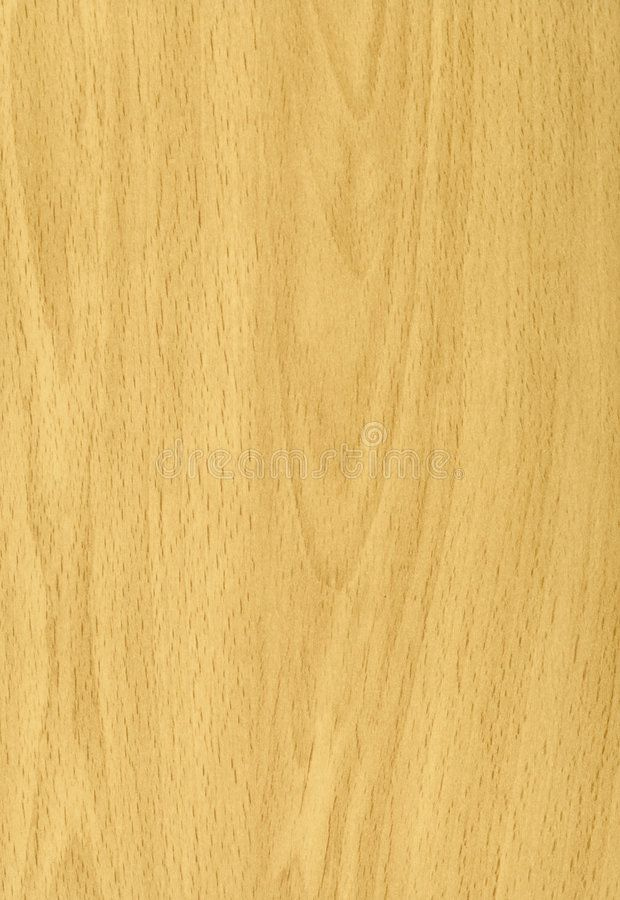
f. Douglas Fir
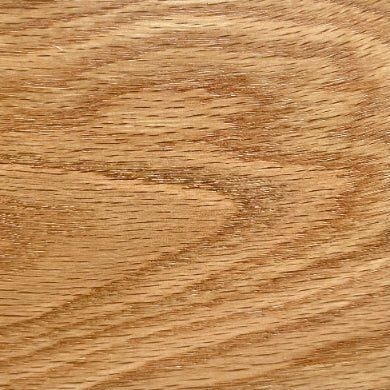
g. Cedar
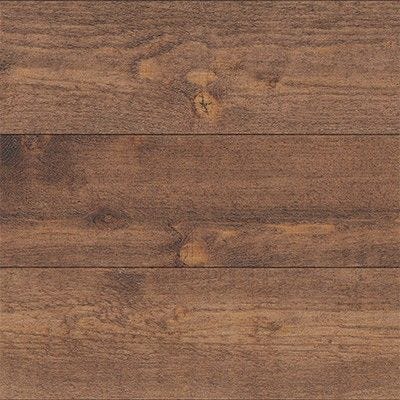
h. Juniper
An obvious way to tell the difference between hardwood and softwood is physical. Hardwood has a higher density than softwood.
NOTABLE PROJECTS MADE OUT OF TIMBER
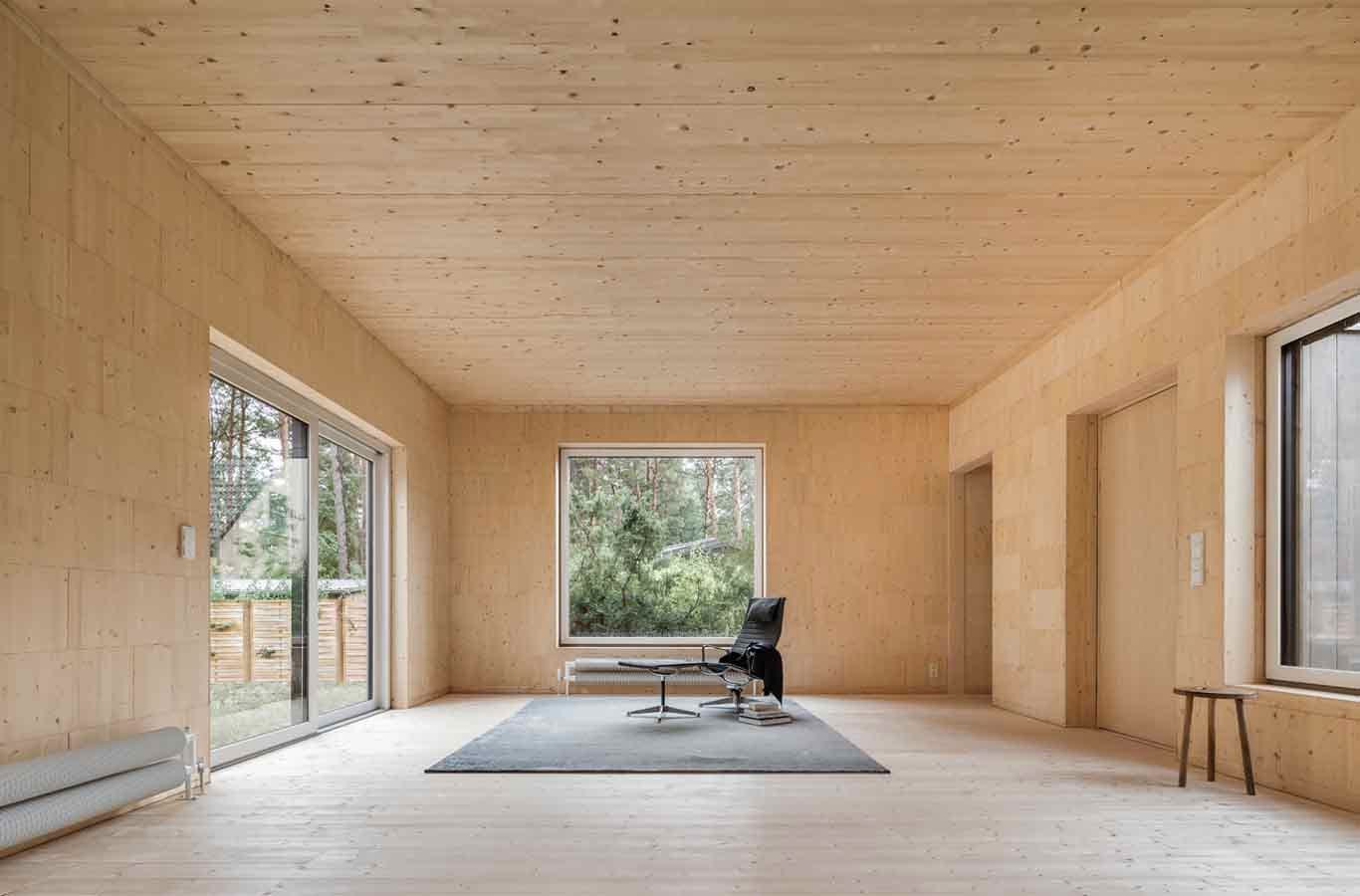
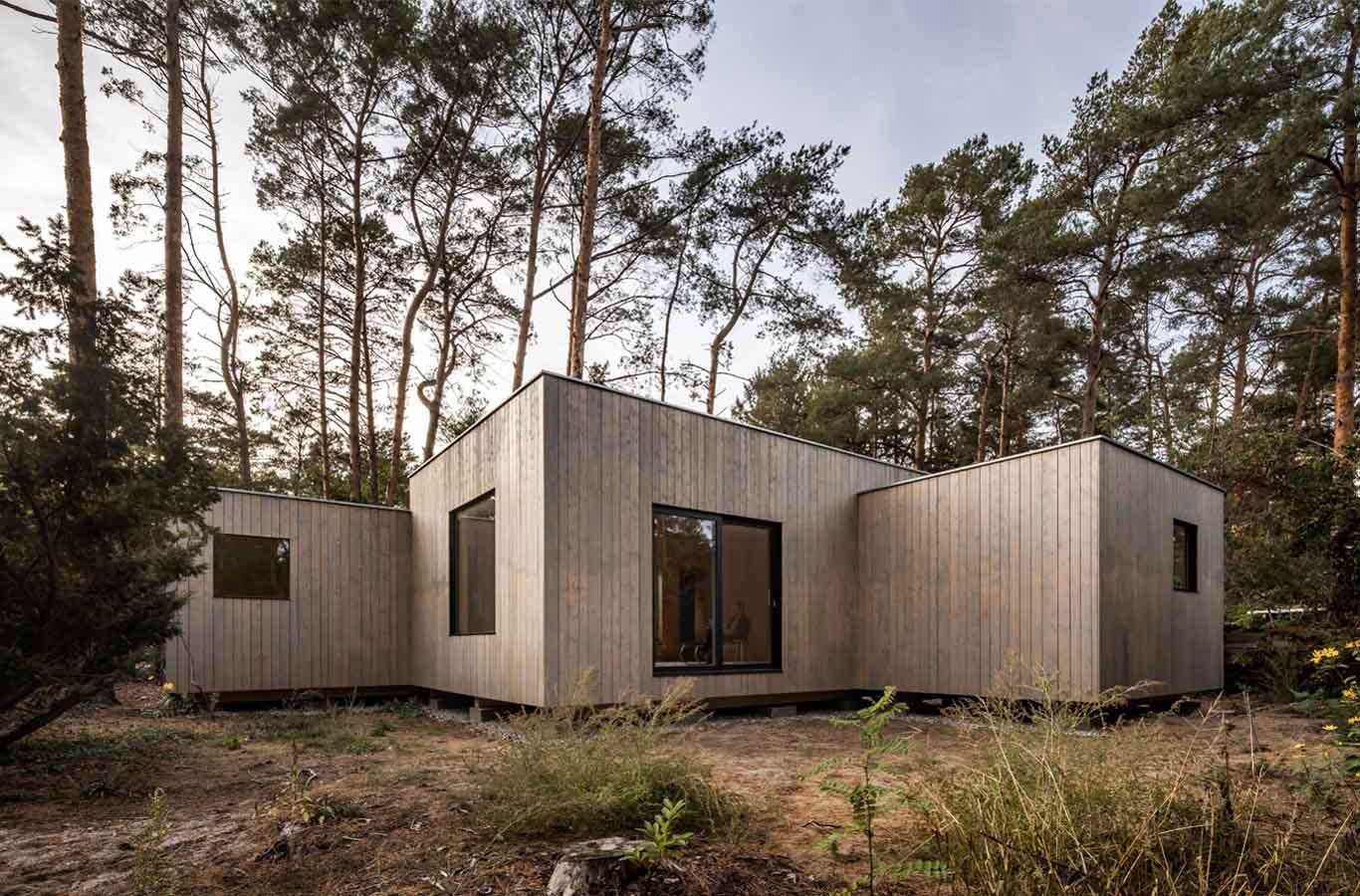
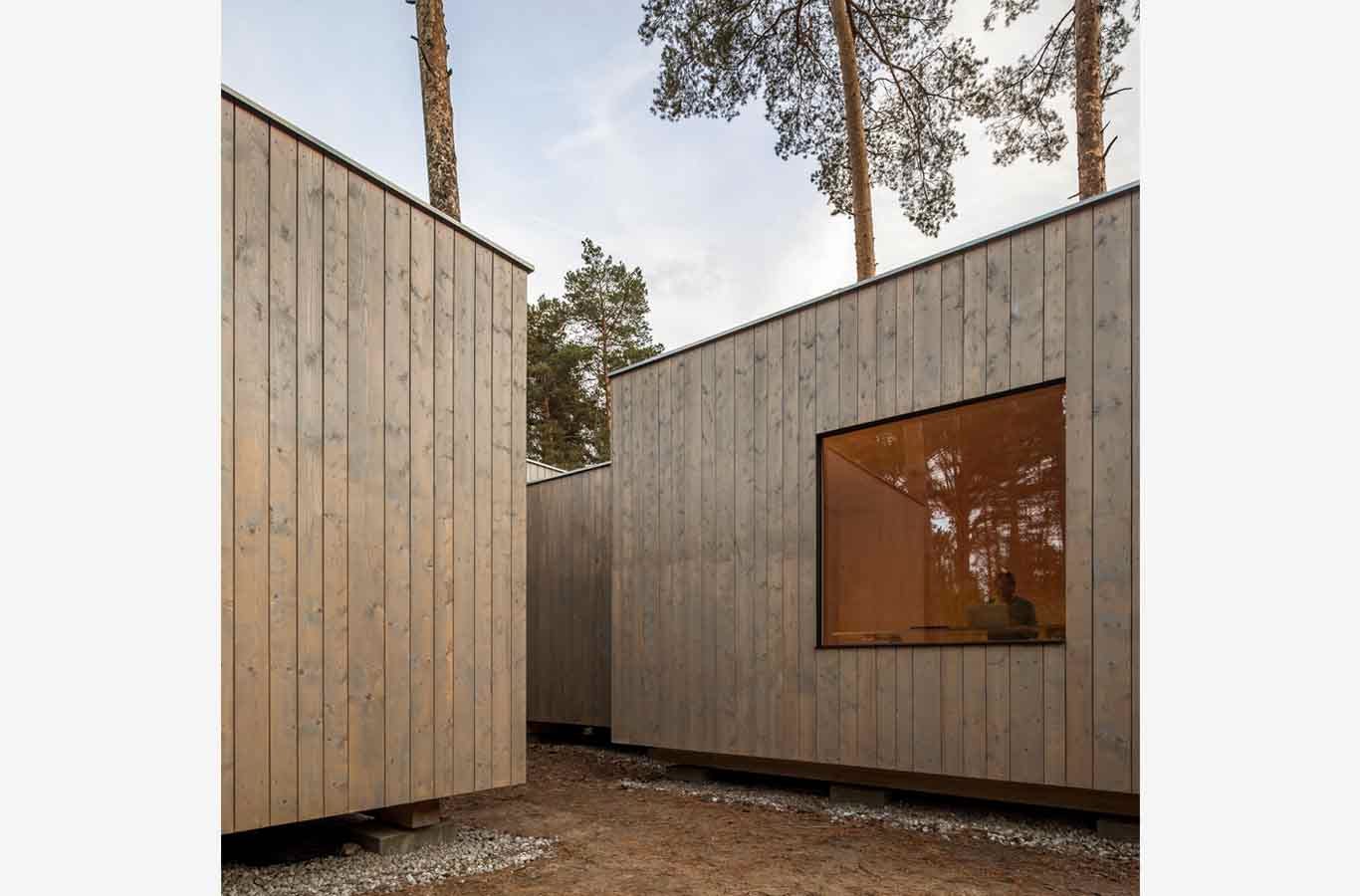
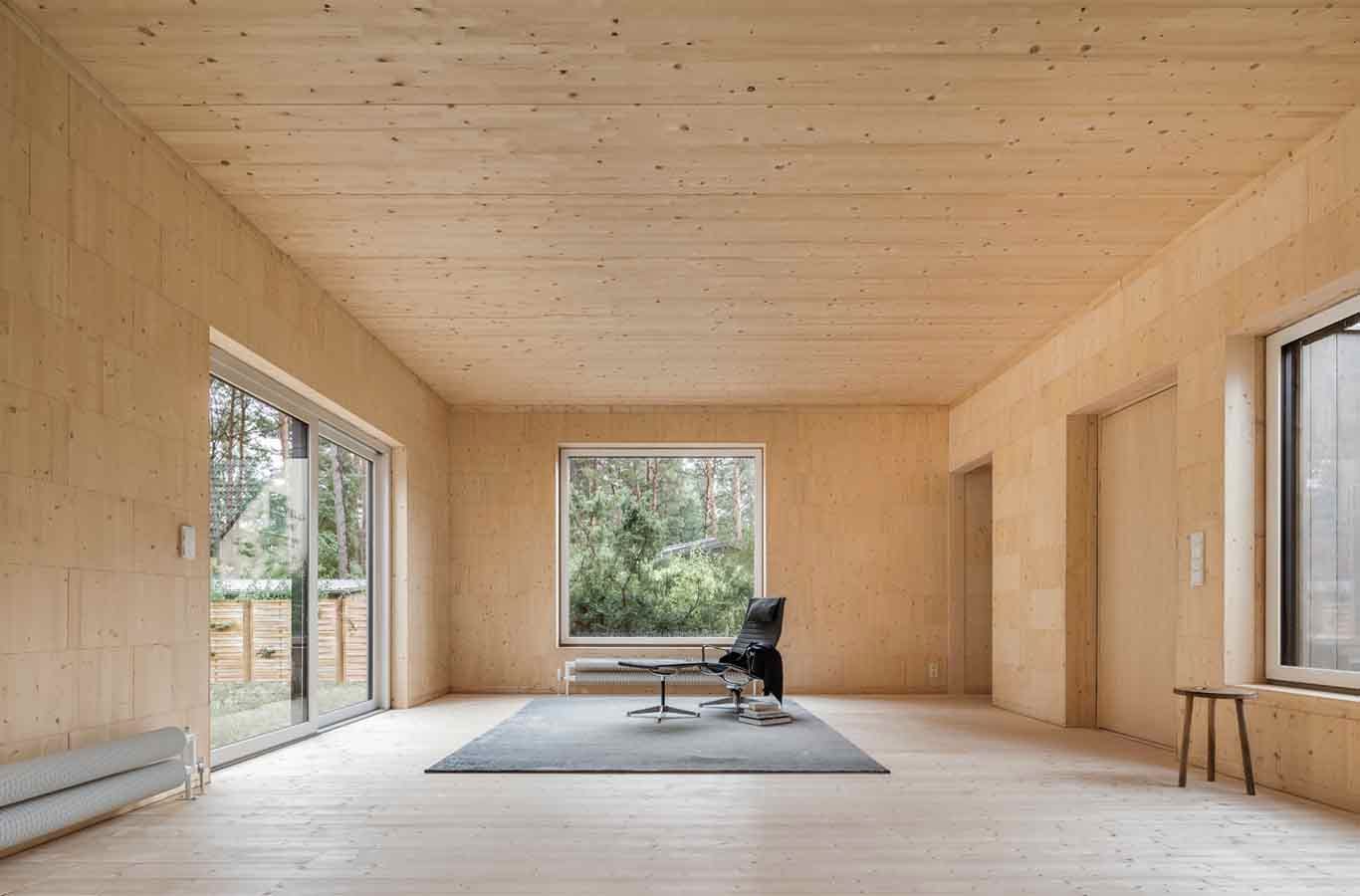
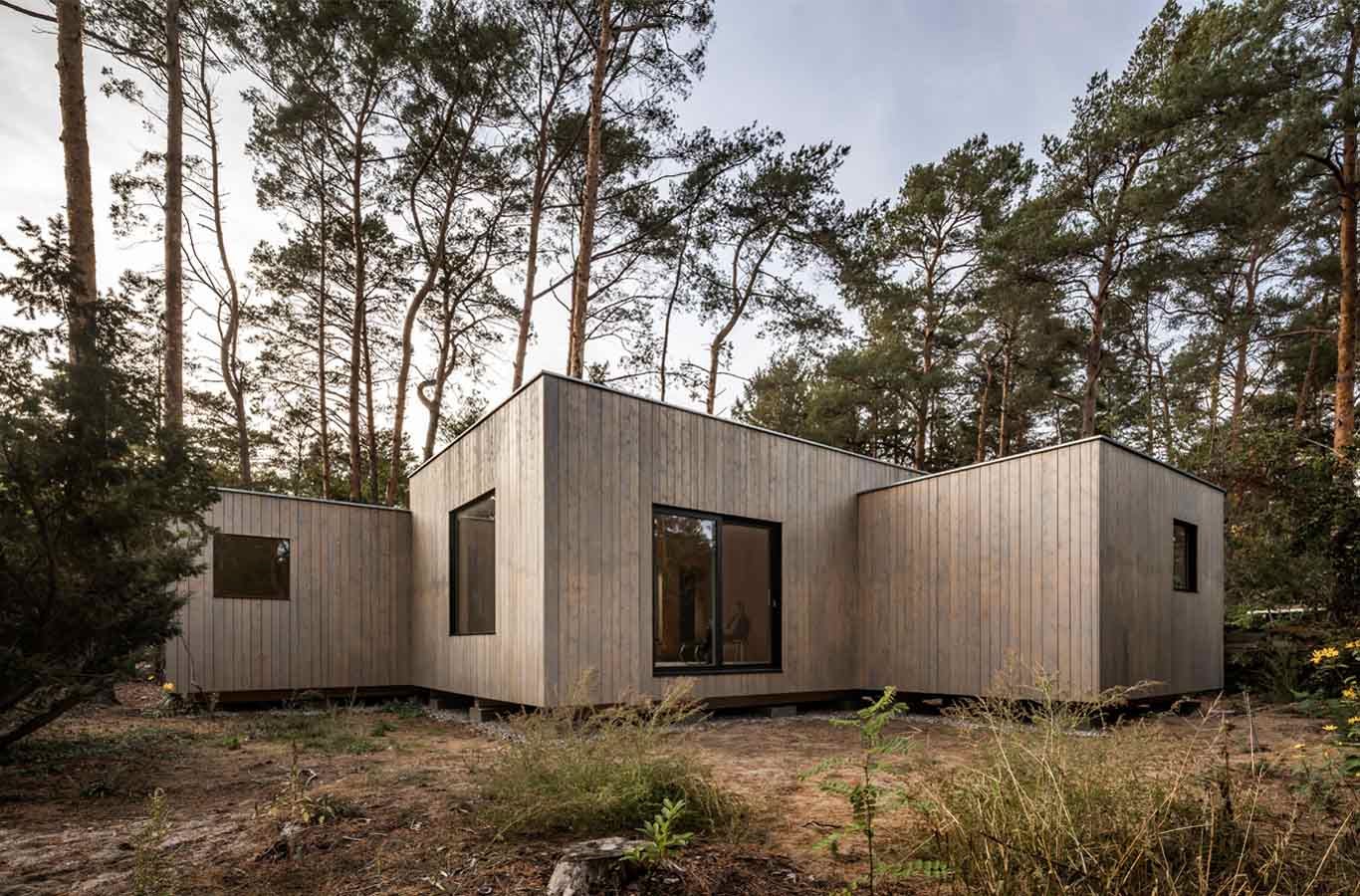
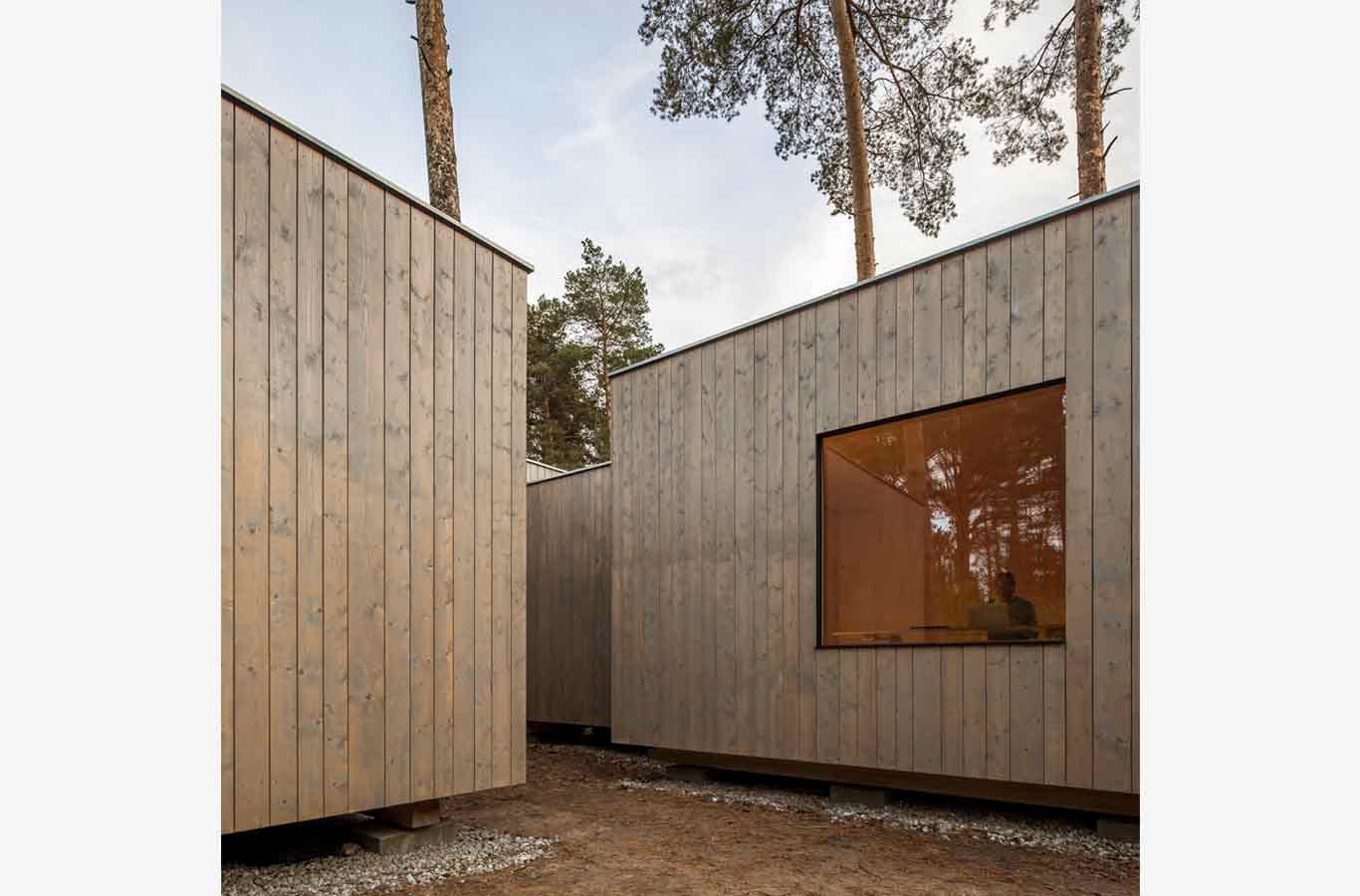
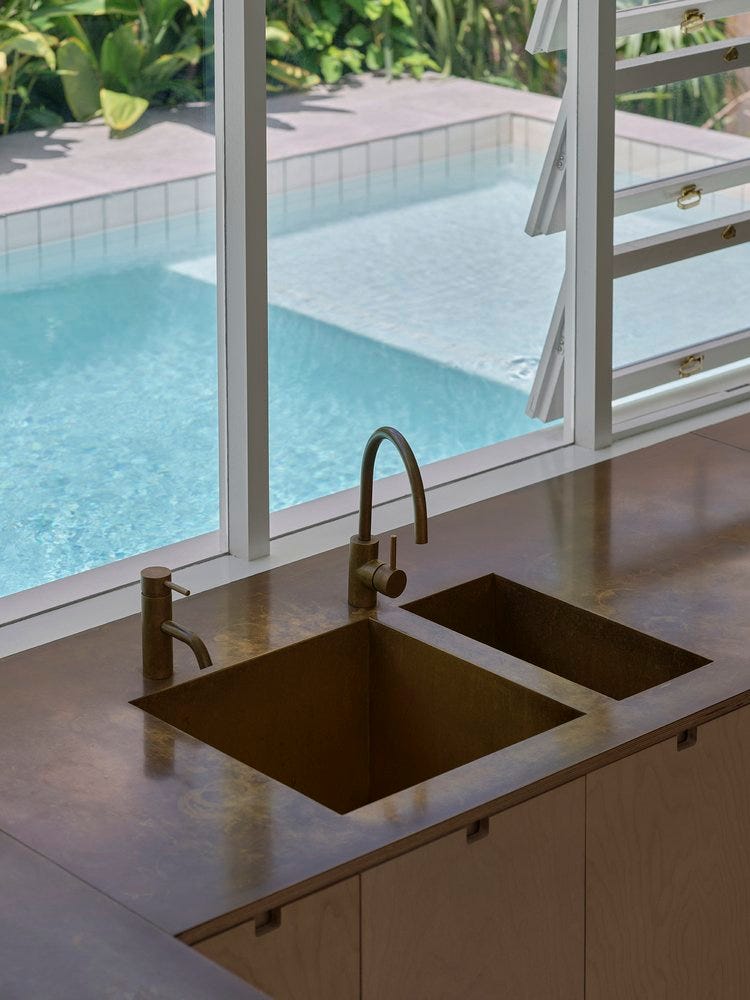
Haus Koris by Zeller&Moye
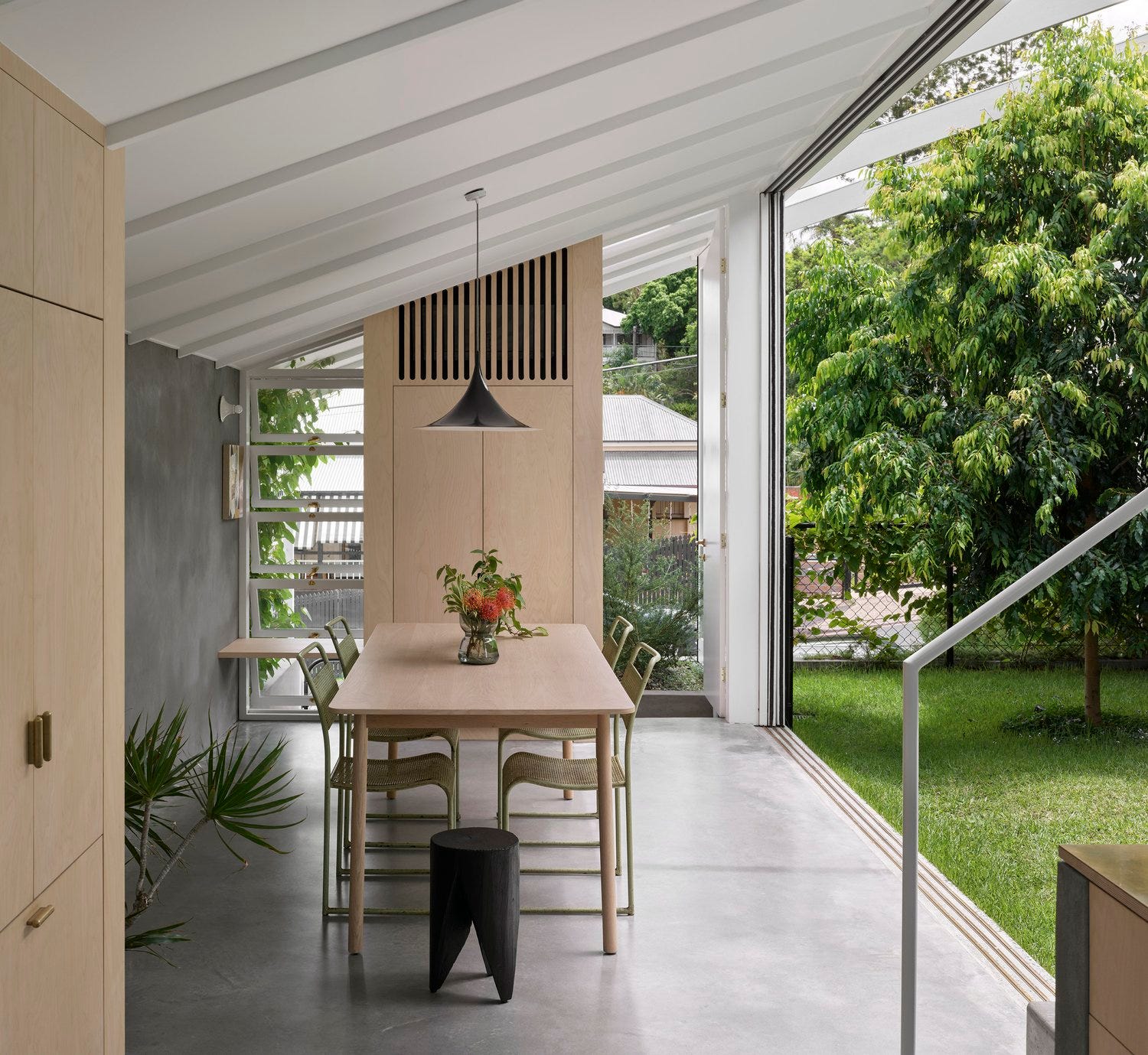
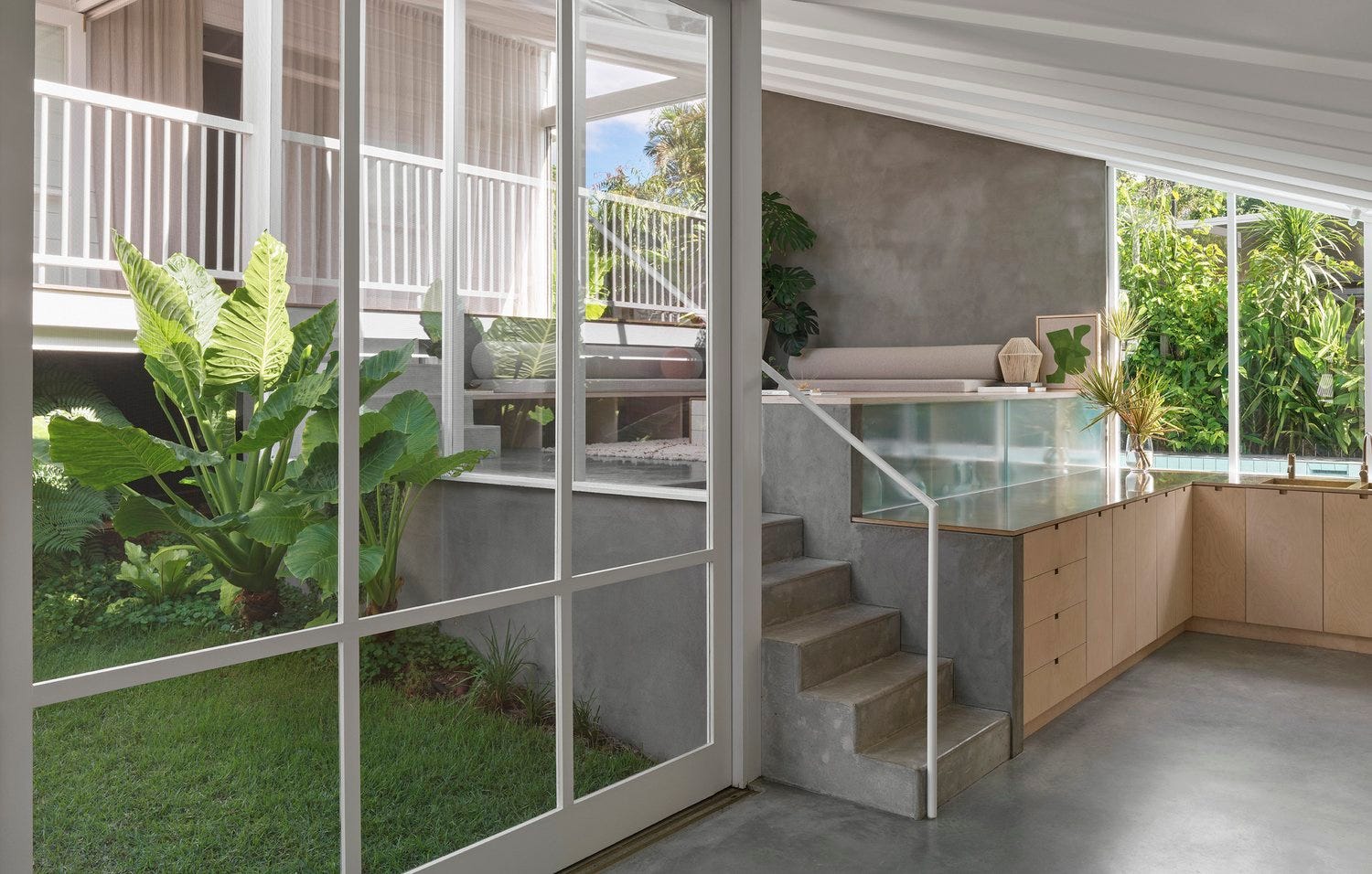
Cascade House by JOHN ELLWAY.ARCHITECTURE
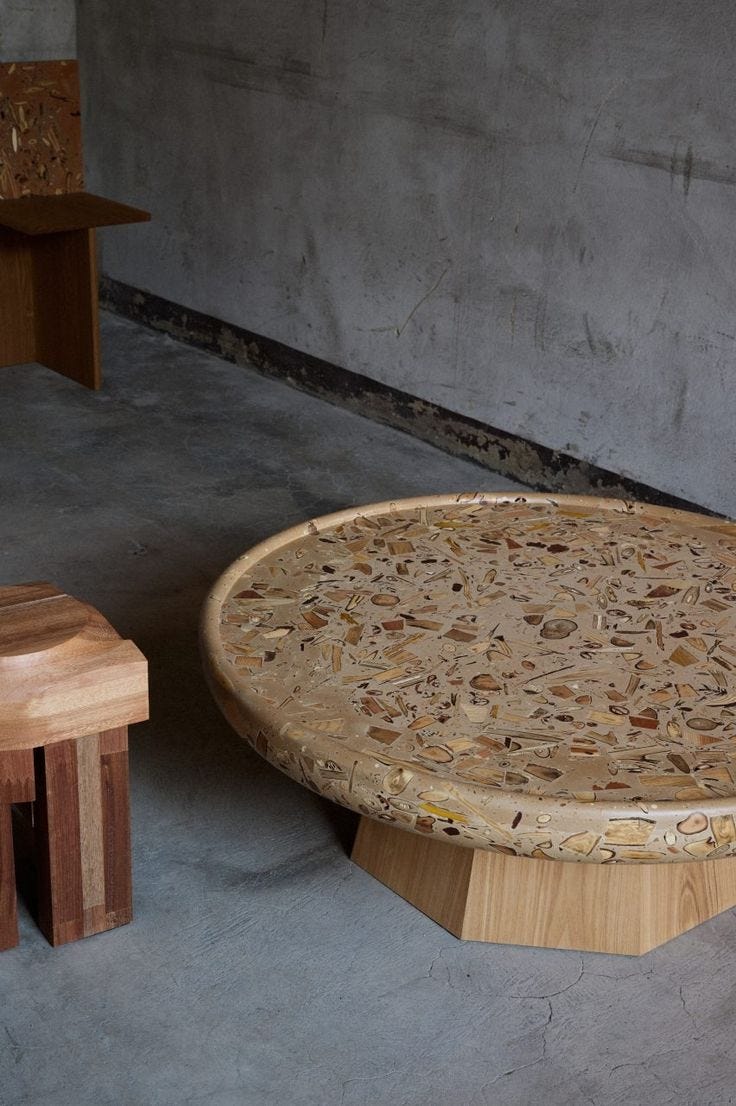
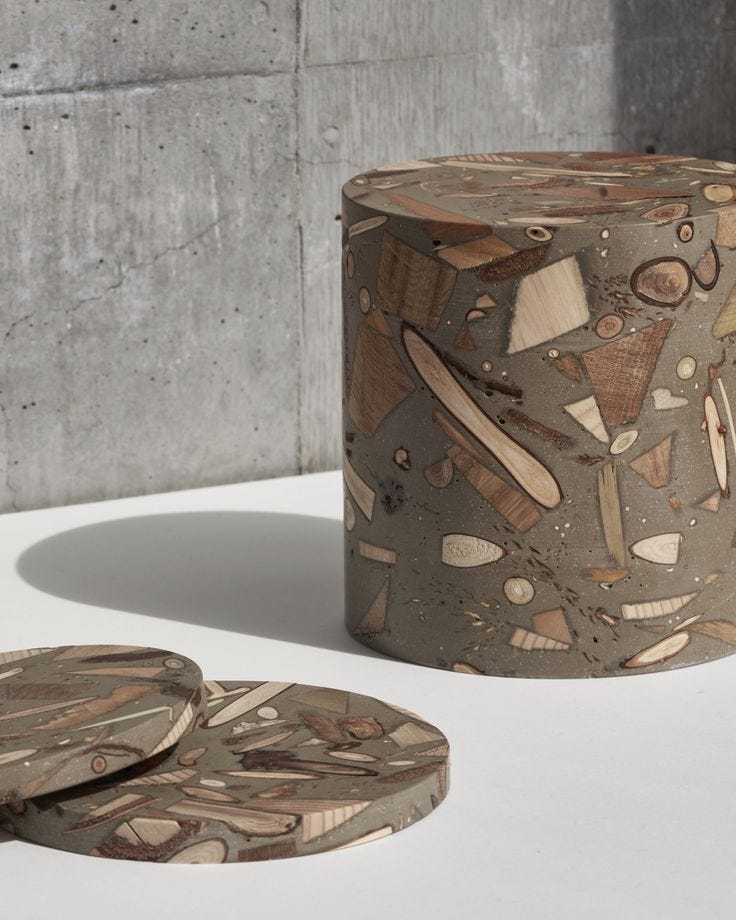
ForestBank by Yuma Kano
Innovative Use of Timber In Modern Design
Timber, one of humanity’s oldest building materials has been involved in an ever-evolving landscape. Timber’s timeless appeal and versatility have graced a wide range of architectural marvels throughout time and history.
Timber’s popularity has emerged alongside modern construction and design and has become more concerned with sustainability and eco-friendliness. In today’s age, timber has stood the test of time spanning architecture, construction, and technology.
An example can be seen with Thermally Modified Timber which is heated at temperatures greater than 190°C to create changes in wood at a cellular level. Also known as heat-treated wood, every treatment it undergoes alters the wood’s physical and chemical properties to make it (more) suitable for various applications especially environment, areas, and regions that can lead to decay and/or degradation.
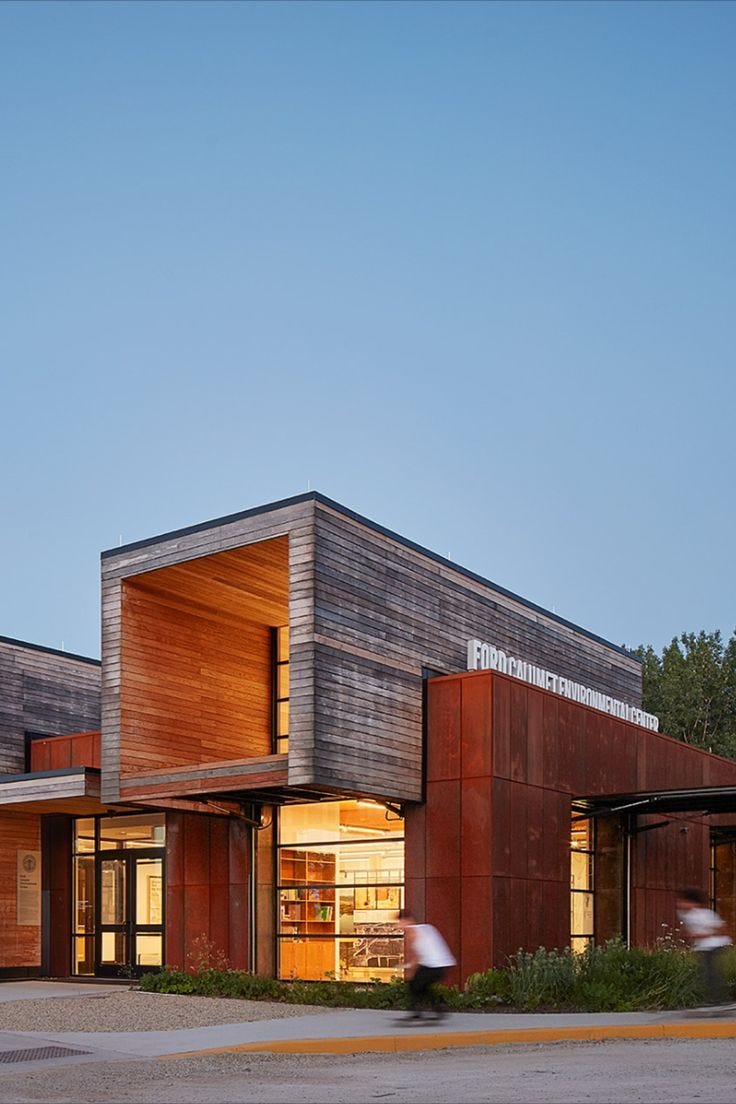
Thermally Modified Wood production is largely done on a commercial scale in Estonia because moisture has been reduced from the wood thermally, when in use; it does not mold or rot and it experiences no longitudinal shrinking and also ensures high dimensional stability that results in a minimum biological life span of 25 years.
Thermally Modified Wood comes in handy in providing or displaying indoor and outdoor building/design/construction solutions that can take shapes or forms in cladding and decking.
Another innovative way timber has been used in modern design is Glued Laminated Timber, aka, Glulam, which is formed or created by gluing or bonding individual wood segments with industrial or moisture-resistant adhesives.
Glulam is not just used and applied in all building types; it comes in handy with beams, panels, stairs, bridges, pavilions, and canopies. One of the greatest advantages that comes with glulam is its ability to produce arches, curves, and arched shapes that are prevalent in beams and pillars.
Challenges Encountered When Working With Timber
While timber offers numerous advantages due to its versatility, natural beauty, and sustainability; the material also presents several challenges. They include:
1. Harvesting Sector
Challenges like managing forests in ways that meet present-day needs without compromising the ability of future generations, habitat destruction, deforestation, loss of biodiversity, and water cycle disruption.
2. Durability and Decay
Wood/timber is highly susceptible to biological treatments like fungi, pests, and insects that can degrade wood.
3. Fire Resistance
Timber/wood is highly flammable and this poses huge risks in fire-prone areas, regions, and environments - especially when fire safety is a critical concern.
4. Loss of structural strength because of fungi attack
5. Chemical & Environmental Impacts
Chemicals like volatile organic compounds (VOCs) affect indoor air quality, human health, and environmental hazards.
Certain treatments and procedures can enhance timber’s properties which will improve its performance, versatility, and durability. Some of these treatments are:
Chemical Preservatives - which are classified into 2: oil- and water-based. Both classes of preservatives are helpful to protect wood from decay, fungal growth, and pests. Water-based preservatives like Copper Chrome Arsenate (COA), Copper Azole (CA), and oil-based preservatives like Pentachlorophenol and Creosote are popular examples of preservatives. These treatments are commonly used in landscaping, protection against decay, used for wood in outdoor environments like landscaping and decking.
Acetylation - which involves an organic esterification reaction with acetic acid and alters the wood/timber’s chemical structure by reacting it with acetic anhydride, which reduces the wood/timber’s ability to absorb water.
Sealants & Coatings - when these liquids are applied on wood, they protect from mechanical tear, UV light, and moisture. They also enhance the appearance of wood and at the same time, provide a protective barrier against environmental elements.
Other treatments involve fungal/enzymatic treatments, resin impregnation, charring, fire retardants, and thermal modifications.
The Future of Timber
The future of timber looks exciting as lots of the possibilities are already in motion and progress. With these advancements, we know that anything (with timber) is possible. Some possibilities of timber are not limited to structural wall/roof/timber systems, termite, and fungal resistance, amongst a list of others.
Advanced Engineered Wood Products
Products like Laminated Veneer Lumber (LVL), Glue Laminated Timber (GLT), and Cross Laminated Timber (CLT) will be in continued development to meet specific needs and will be implemented in large-scale constructions - long-span structures and highrise buildings because of their flexibility and strength in desire.
3D Printing With Wood
Ranging from furniture to structural elements, future developments in 3D printing technology will see to the printing of complex components and structures.
Enhanced Thermal Modification Processes
This expands the applications of Thermally Modified Timber in construction for further refinements to improve the outcomes and efficiency of treated wood which will make it more durable and stable without chemicals.
Carbon-Capturing Wood
With the world tightening its oars around climate change, lots of wood products that can capture and store carbon dioxide more effectively will become a priority.
Self_Healing Wood
Lots of research has gone into self-healing materials - and also extended into timber, where wood could potentially be treated, created, or engineered to repair cracks, dents, and damages autonomously.
Energy Generating Wood
There’s a possibility of emerging technologies that will enable the development of wood surfaces to generate energy. They could be used for building exteriors.
Transparent Wood
Research about making wood/timber transparent whilst retaining its strength and insulating properties is ongoing. This could come as an alternative to glass which will offer better insulation and potentially integrated energy harvesting capabilities - such as embedded photovoltaics.